Walking The Long Path To Healing, Together.
After a crime or traumatic event, recovery can take weeks or months. Victim Services Toronto (VST) Case Workers provide trauma-informed and client-centred care to help victims navigate the long, non-linear process of rebuilding and healing. VST's skilled Case Workers provide steady support and consistency as clients navigate complex systems that can overwhelm even the strongest among us.
Programs
Case Management
VST Case Workers help victims access the support they need. From safety planning and referrals to housing, legal, and financial systems, to court accompaniment and advocacy with service partners, victims never have to navigate the long, non-linear process of healing alone.
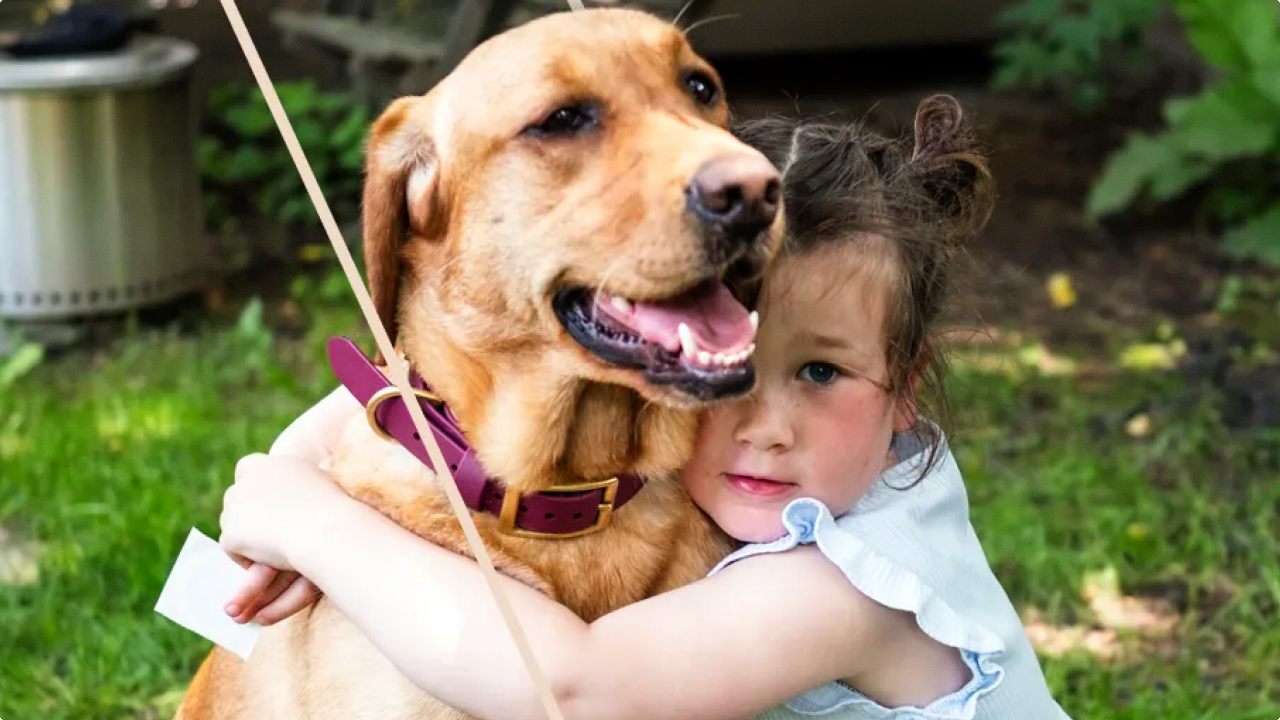
The Trauma Dog Project
Penny, VST's trained red fox Labrador, provides vital, grounding support to survivors of crime or sudden tragedy. Whether at court, in hospitals, or on home visits, Penny and her handler provide comfort, courage, and a steady paw to help victims of crime process their trauma.
Exit Route
Exit Route embeds VST Social Work professionals, called Neighbourhood Victim Advocates (NVA), directly into five police divisions and four specialized units where exploitation and violence are most likely to occur, including: Sexual Assault, Internet Child Exploitation (ICE), Human Trafficking (HT), Homicide and Missing Persons.
Neighbourhood Victim Advocates work in communities and alongside police to support victims' emotional and practical needs.
Vanessa set the terms. VST met her there.


Post-Court Pathways
Research shows that for young people who have experienced abuse, testifying in court can intensify symptoms of PTSD, anxiety, and depression for years afterward. Without specialized support, many survivors continue to struggle long after the trial ends.
Cross-examination, questions that feel disbelieving or accusatory, and sitting steps from their abuser cause a harm of their own—what Justice Canada calls "system-induced trauma."
The first program of its kind in North America, Post-Court Pathways helps young victims of abuse recover from the emotional and psychological impacts of testifying in criminal court.
With leadership support from:Janis Rotman